Mitochondrial function and metabolic dysfunction in CDD
Uncovering altered mitochondrial function and metabolism in CDKL5 Deficiency Disorder.
Mitochondria-CDDLed by Erva Ghani
We study how the loss of a single kinase reshapes the developing brain, and use that knowledge to find treatments for a rare, severe epilepsy.
CDKL5 Deficiency Disorder (CDD) affects roughly one in every 40,000 to 60,000 births. Children develop treatment-resistant seizures within months of birth, alongside profound developmental, motor, visual and sleep problems. Current care manages symptoms only. Our lab combines preclinical disease models with molecular profiling, chronic EEG and machine learning to map what goes wrong when CDKL5 is lost, and to test therapies that target the cause rather than the symptoms.
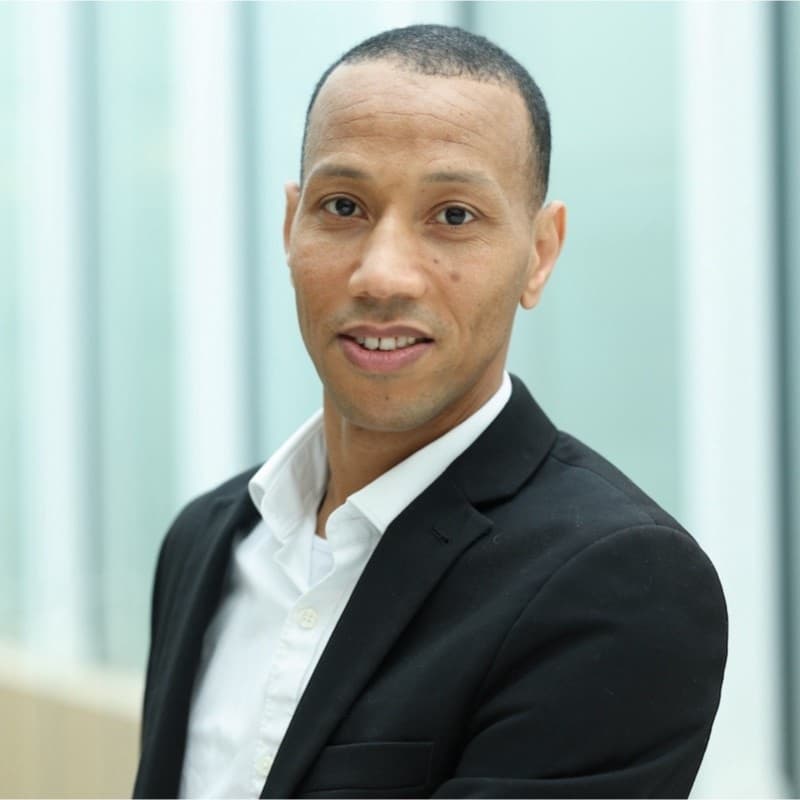
Dr Omar Mamad
Principal Investigator. Lecturer in Physiology and Medical Physics, RCSI. Funded Investigator, FutureNeuro.
What are the molecular, cellular, network, behavioural and systems-level impacts of CDD?
Can we develop non-invasive biomarkers to understand CDD and translate them to patients for improved diagnosis?
Can we develop disease-modifying treatments with fewer side effects that target multiple aspects of the disease?
Each project is led by a member of the team and tackles a different facet of CDKL5 Deficiency Disorder.
Uncovering altered mitochondrial function and metabolism in CDKL5 Deficiency Disorder.
Mitochondria-CDDLed by Erva Ghani
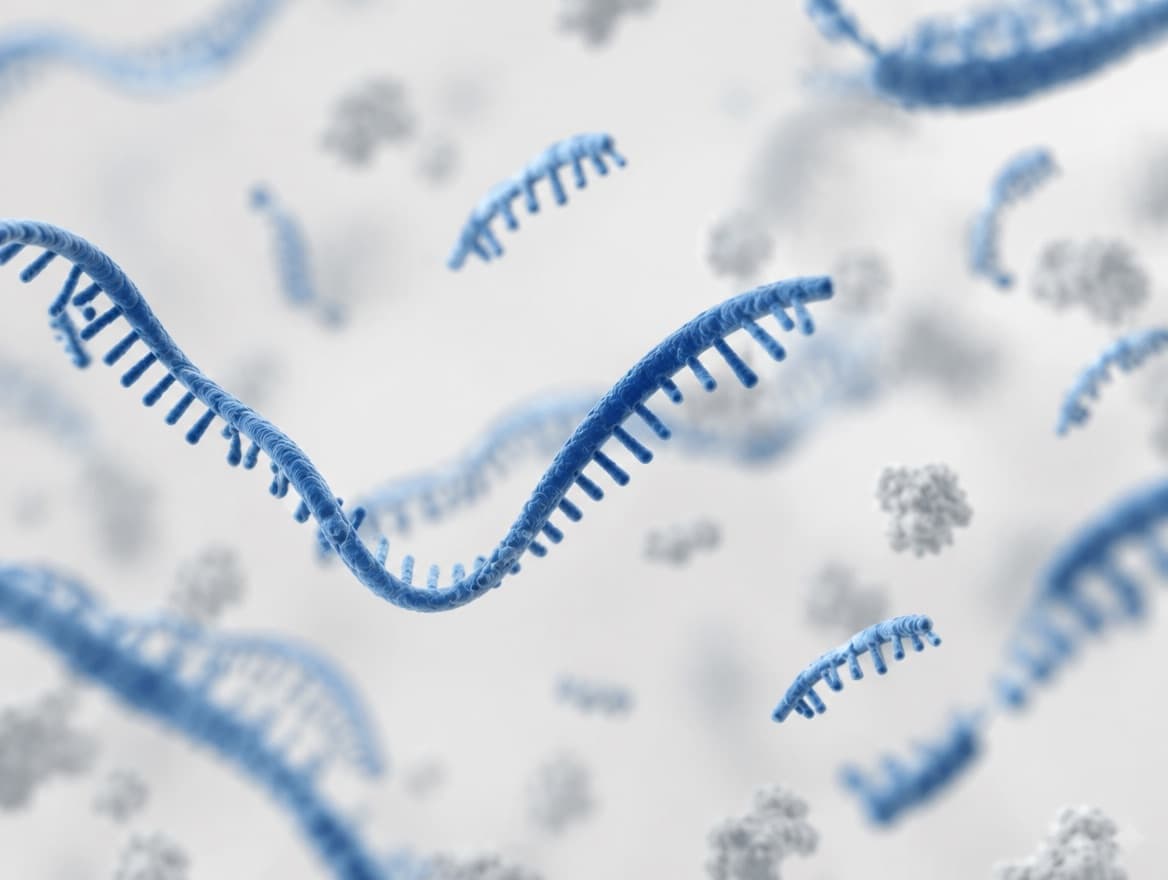
Testing whether dysregulated microRNAs are a therapeutic avenue to rescue deficits in behaviour, neuronal morphology and electrophysiology.
ASO-CDDLed by Jordan Higgins
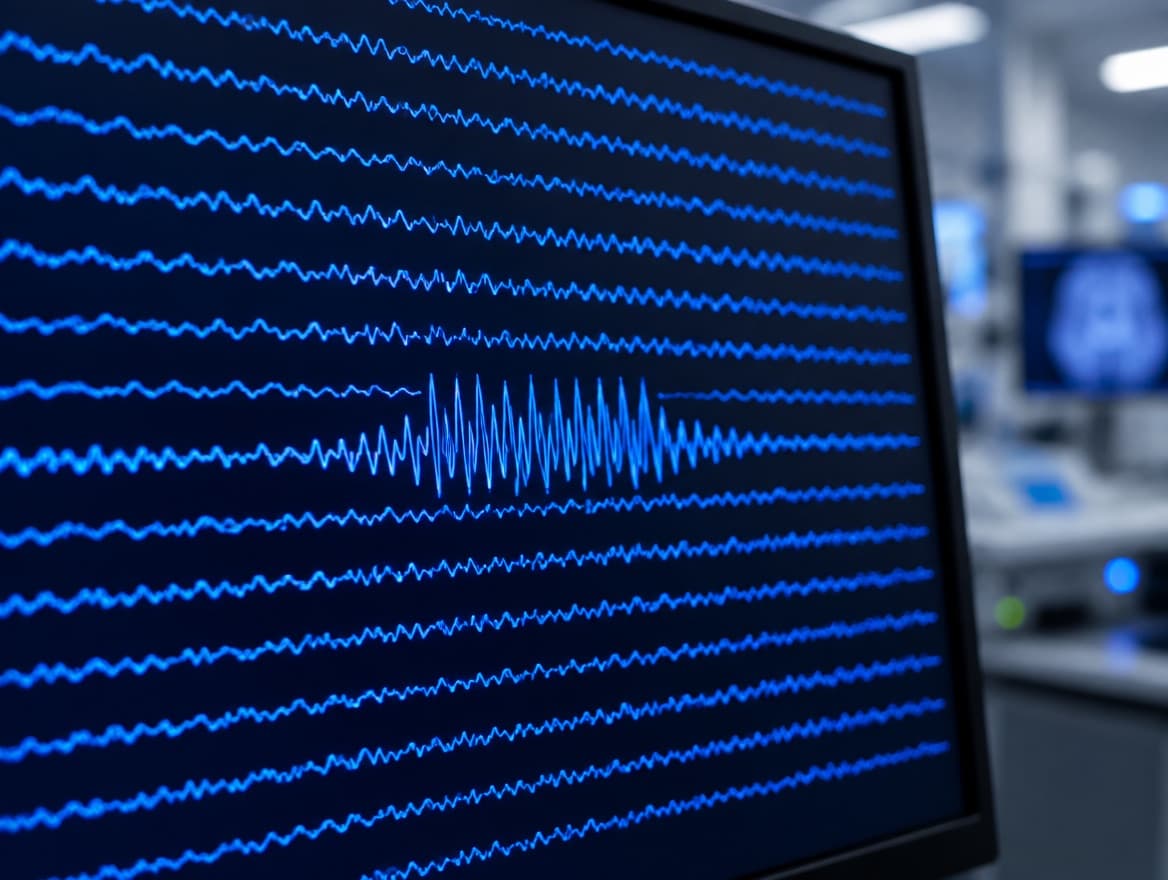
Mapping how the loss of one kinase reshapes the coding and non-coding transcriptome of the brain.
RNA dysregulation-CDDLed by Samuel Egan

Sleep disruption is one of the most burdensome features of CDD for families. Sleep-CDD asks why it happens and whether it can be treated.
Sleep-CDDLed by Eve Conheady
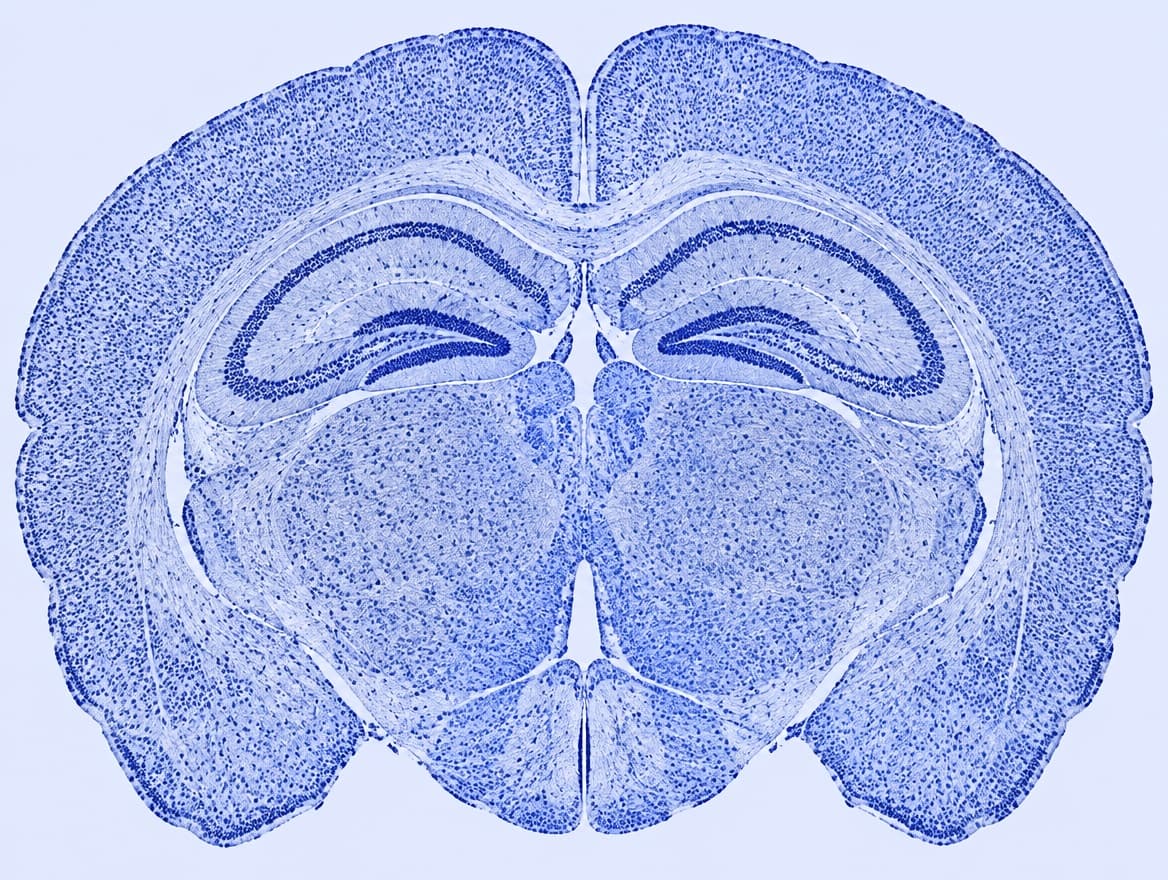
Examining the structure of striatal neurons and the molecular mechanisms behind motor dysfunction.
Morphology-CDDLed by Joe Mernagh
Di Sapia R, Bera A, Mamad O, …, Vezzani A
Epilepsia · doi:10.1002/epi.70453
Higgins J, Egan S, El‐Mansoury B, …, Mamad O
Epilepsia Open, 11(2), 670-678 · doi:10.1002/epi4.70240
Quintana-Sarti P, Higgins J, Reschke CR, …, Henshall DC
The Journal of Neuroscience, 46(11), e1081252025 · doi:10.1523/JNEUROSCI.1081-25.2025
Higgins J, Egan S, Harrison K, …, Mamad O
bioRxiv, 2026.02.25.707643 · doi:10.64898/2026.02.25.707643
Dr Mamad talks with FutureNeuro about researching CDKL5, a rare and severe genetic epilepsy, and what it means for families.
Funding
Sleep-CDD, a four-year programme running to 2030, will investigate why sleep is disrupted in CDD and whether restoring it can improve seizures and development.
Full storyPublication
Work with collaborators reveals hypothalamic neuronal loss, inflammation and thyroid axis changes in experimental temporal lobe epilepsy.
Full storyPublication
Published in Epilepsia Open, the study establishes audiogenic seizure susceptibility as a highly penetrant phenotype in Cdkl5 knockout mice.
Full storyJoin a team at the frontier of genetic epilepsy research. Our lab combines expertise in non-coding RNA biology, in vivo electrophysiology and computational behaviour analysis to understand and ultimately treat genetic epilepsies, with a particular focus on CDKL5 deficiency disorder.